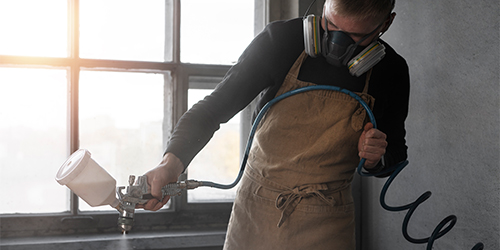
Selecting the right professional airless paint sprayer involves considering several key factors to match the machine to your specific projects and needs.

1. Nozzle Compatibility & Selection
The nozzle determines the fan pattern and material flow. Look for a sprayer that supports a wide range of interchangeable nozzles. Consider:

  • Tip Size: Measured in thousandths of an inch (e.g., 0.015″, 0.021″). Smaller tips (0.013″-0.015″) are for thin materials like stains and sealers. Medium tips (0.017″-0.021″) handle most latex and acrylic paints. Larger tips (0.023″-0.035″) are for thicker coatings like elastomerics or textured materials.

  • Fan Width: Choose nozzle sets that offer different fan patterns (e.g., 4″, 8″, 12″) for varied surfaces from trim to broad walls.

2. Flow Rate & Pressure (GPM & PSI)

  • Flow Rate (Gallons Per Minute – GPM): Indicates how much material the pump can deliver. For frequent use or large projects (e.g., house exteriors, commercial spaces), choose a higher GPM (0.7+ GPM) for efficiency. For smaller jobs, a lower GPM (0.2-0.5 GPM) may suffice.

  • Maximum Pressure (PSI): Higher PSI helps atomize thicker paints effectively. For heavy coatings like primers or elastomeric paints, opt for a high-pressure model (3000+ PSI). Standard latex paints typically require less (2000-2800 PSI).

3. Usage Frequency & Duty Cycle

  • Occasional/DIY Use: An electric sprayer with a standard duty cycle is adequate. Look for robust construction but extreme durability may be less critical.

  • Daily/Professional Use: Invest in a professional-grade sprayer with a high duty cycle (e.g., 50% or more), a robust motor, and durable components like a ceramic piston pump. These are built for continuous operation without overheating.

4. Paint & Material Types
Match the sprayer to the coatings you most commonly use:

  • Thin Materials (Stains, Lacquers, Sealers): A lower-PSI unit with small nozzle tips works well.

  • Standard Paints (Latex, Acrylics, Enamels): The most common choice. A mid-range GPM and PSI with medium tip sizes is versatile.

  • Heavy/High-Viscosity Materials (Primers, Elastomerics, Roof Coatings): Requires high pressure (3000+ PSI), a powerful pump, and larger tips. Ensure the sprayer is rated for such materials.

Professional airless sprayers deliver speed, efficiency, and a superior finish for demanding projects. They pump paint at high pressure, allowing you to cover large areas faster than rolling or brushing. This high pressure also provides excellent material atomization, resulting in a smooth, even coat with no brush marks.

Their powerful, durable construction supports continuous, heavy-duty use with a wide range of coatings—from thin stains to thick primers. With interchangeable nozzles, one machine can handle diverse tasks, making it the most versatile and productive choice for professionals.

A professional airless sprayer is designed for high-volume, high-quality application of a wide range of materials.

Common Materials:

  • Paints: Latex, acrylic, and oil-based paints.

  • Primers & Sealers: All types, including thick blocking/stain-killing primers.

  • Heavy Coatings: Elastomeric roof coatings, deck sealants, and textured finishes.

  • Stains & Varnishes: For furniture, cabinets, and exterior wood.

Primary Applications:

  • Residential & Commercial Painting: Interior/exterior walls, ceilings, and trim.

  • Large Surface Projects: Siding, fences, warehouses, and industrial facilities.

  • Specialty Finishes: Cabinets, doors, and detailed millwork (with fine-finish tips).

  • Protective & Industrial Coatings: Applying waterproofing, fire-retardant, and heavy-duty industrial paints.

DP AIRLESS PAINT SPRAYER

DP AIRLESS PAINT SPRAYER