Key Features:

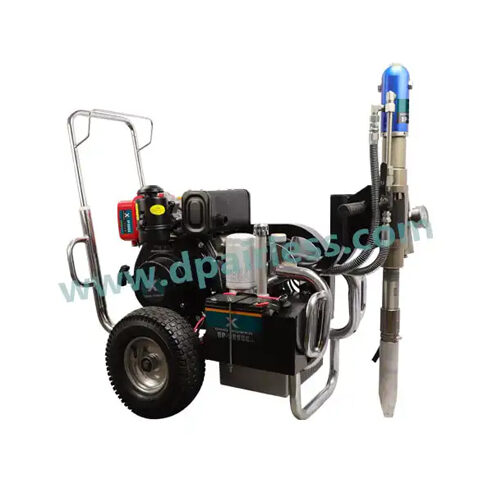
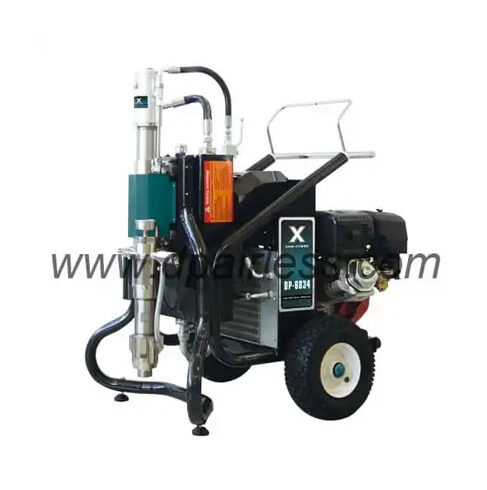
  • Hydraulic Drive System: Uses hydraulic fluid (oil) to power the pump, not just an electric motor.

  • Extreme High Pressure: Capable of very high PSI (often 3000-5000+), excellent for atomizing ultra-thick materials.

  • High Duty Cycle: Can run continuously for long periods without overheating.

  • Industrial Durability: Built for the toughest job sites and most demanding materials.

  • Smooth, Consistent Flow: Hydraulic system provides steady pressure, reducing pulsation.

  1. Power & Pressure: Hydraulic systems generate tremendous force, enabling the sprayer to pump very viscous coatings that electric motors alone cannot handle.

  2. Durability & Cooling: The hydraulic oil lubricates and cools the system, allowing for non-stop, high-output operation crucial for large industrial projects.

  3. Control: Offers precise control over pressure and flow, even under heavy load.

  4. Torque: Provides high torque at low speeds, which is ideal for starting to pump thick, heavy materials from a standstill.

Direct-Drive

  • How it works: The motor shaft is directly connected to the hydraulic pump. There are no intermediate components.

  • Characteristics:

    • More Compact & Lighter: Fewer parts, making the unit generally smaller and easier to move.

    • Simpler Design: Fewer wearable components (no belts, tensioners).

    • Higher Efficiency: Minimal power loss in transmission.

    • Immediate Power Transfer: Responsive operation.

  • Typical Use: Common in mid-range and standard-duty professional models. Excellent for most on-site contractor work.


Belt-Drive

  • How it works: The motor connects to the hydraulic pump via a belt and pulley system.

  • Characteristics:

    • Shock Absorption: The belt acts as a cushion, absorbing sudden shocks and pressure spikes, protecting both the motor and pump from damage.

    • Torque Multiplication: The pulley system can be designed to increase torque, beneficial for starting under heavy load.

    • Noise & Vibration Reduction: Generally operates more quietly and with less vibration than direct-drive.

    • Adjustable Speed (on some models): Pulley ratios can be changed to fine-tune pump speed.

    • Requires Maintenance: Belts need periodic inspection, tensioning, and eventual replacement.

  • Typical Use: Favored in heavy-duty, high-output, and industrial-grade sprayers designed for continuous, demanding operation with the thickest materials.


Quick Comparison & Choice Guide

Feature Direct-Drive Belt-Drive
Efficiency Higher Slightly lower (due to belt friction)
Durability Good, simpler system Excellent, protects key components
Maintenance Lower Higher (belt maintenance required)
Shock Load Protection Minimal Superior
Noise/Vibration Higher Lower
Cost Typically lower Typically higher

When to Choose:

  • Choose Direct-Drive for: General contracting, residential/commercial painting, and applications where portability, simplicity, and lower maintenance are priorities.

  • Choose Belt-Drive for: Industrial applications, extremely thick/abrasive materials, rental fleets, and situations where maximum component protection, smooth operation, and ultimate durability are critical for 8+ hours of daily use.

DP AIRLESS PAINT SPRAYER

Ideal Coatings / Paints:
Hydraulic airless sprayers are built for high-viscosity, high-solids, and demanding industrial coatings, including:

  • Extremely Thick Materials: Elastomeric roof & wall coatings, heavy mastics, block fillers.

  • Protective & Industrial Paints: Zinc-rich primers, epoxy coatings, fire-retardant paints, intumescent coatings.

  • Textured & Abrasive Finishes: Aggregate-heavy stucco, textured masonry paints, roof coatings with granules.

  • High-Build Sealants & Waterproofing.

These sprayers excel in large-scale, heavy-duty, and industrial projects where power, durability, and continuous operation are non-negotiable:

  • Industrial & Commercial Construction: Spraying structural steel, warehouses, factories, and large metal surfaces.

  • Infrastructure & Marine: Bridges, water tanks, pipelines, ships (for specific high-build coatings).

  • Large Exterior Surfaces: Multi-story buildings, expansive wall systems, and complex exteriors requiring high-pressure material delivery.

  • Specialty Contracting: Professional roofing, waterproofing, and fireproofing applications.

A standard electric airless sprayer may stall or overheat with these materials. The hydraulic system provides the relentless power, pressure (3000-5000+ PSI), and cooling needed to atomize and apply ultra-thick coatings efficiently over long periods.

In short: Use a hydraulic airless sprayer when your project involves industrial-grade, thick protective coatings on large, demanding surfaces where time, material performance, and equipment reliability are critical.

DP AIRLESS PAINT SPRAYER