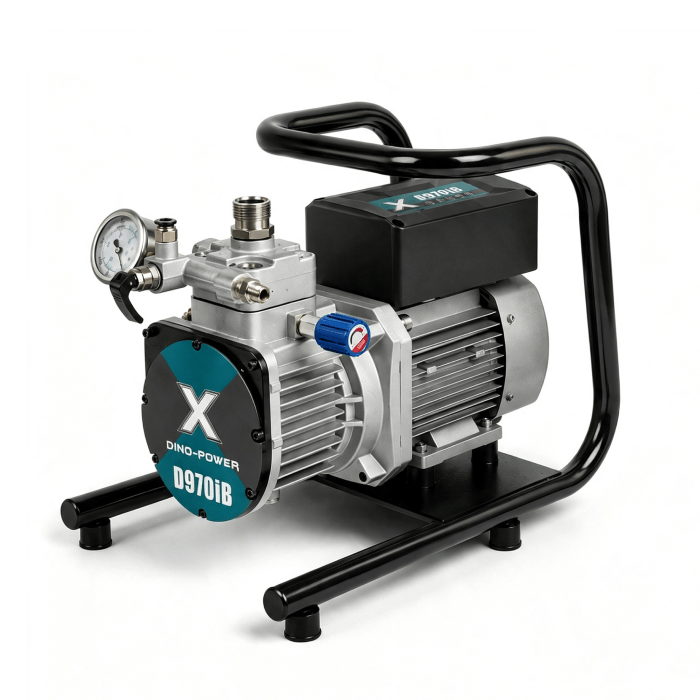
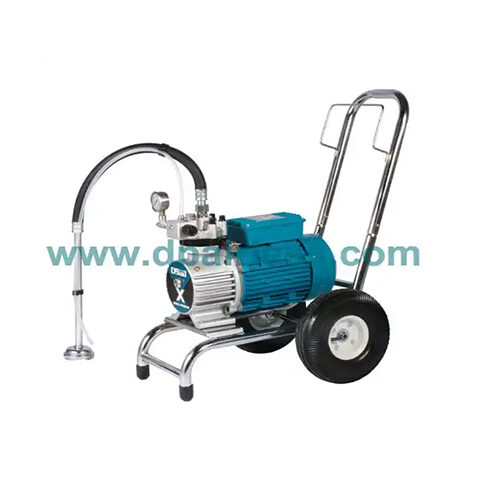
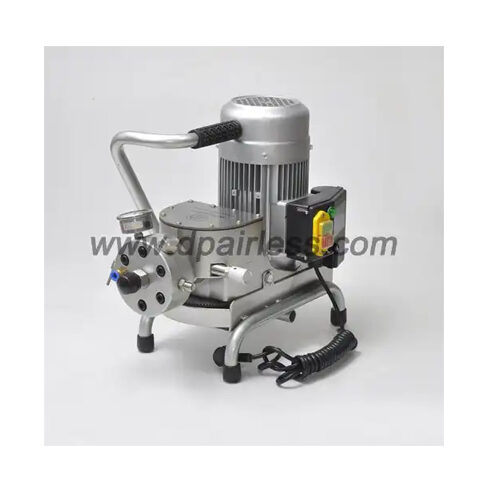
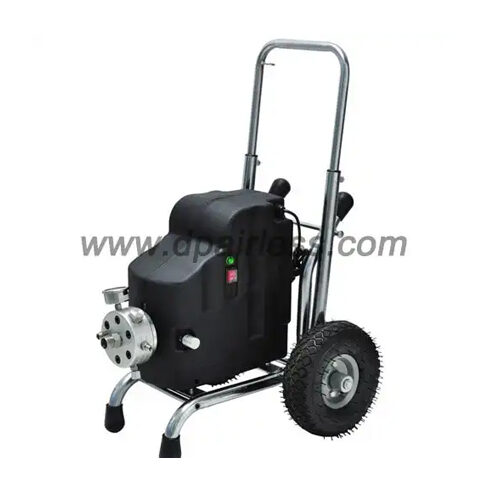
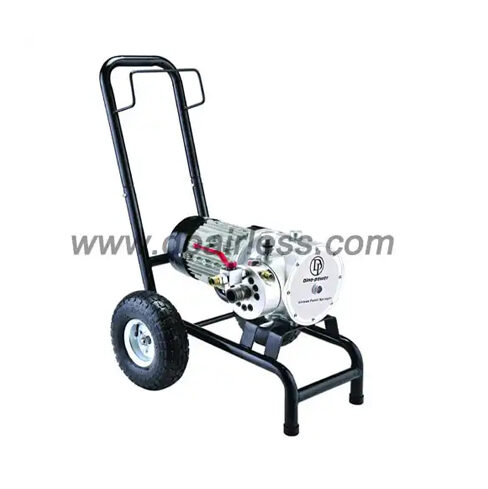
A diaphragm pump sprayer is a durable, low-maintenance option, ideal for abrasive materials. Here’s how to pick the right one.
1. Key Feature: The Diaphragm Pump
-
Pro: Handles abrasive materials (e.g., textured paints, zinc-rich primers) much better than piston pumps, with less wear.
-
Pro: Often easier to maintain; the diaphragm is the main wear part.
-
Con: Typically provides lower pressure and flow than an equivalent piston pump.
2. Material & Project Match
Choose this type if you frequently spray:
-
Abrasive Coatings: Textured paints, masonry coatings, roof paints, primers with sand.
-
Heavy-Body Materials: Elastomerics, block fillers, certain sealants.
-
Standard Paints: They handle these perfectly well, but a piston pump may be faster.
3. Performance Specs: GPM & PSI
-
Flow Rate (GPM): For heavy materials, a moderate GPM (0.3-0.6) is common. Ensure it meets your project speed needs.
-
Pressure (PSI): Diaphragm pumps often max around 2500-3200 PSI. Verify it’s sufficient to atomize your thickest materials.
4. Duty Cycle & Build
-
Professional Use: Look for a heavy-duty, oil-bath diaphragm pump and a robust motor designed for all-day operation.
-
Occasional Use: A lighter-duty, grease-lubricated model may be cost-effective.
Quick Selection Guide:
-
For abrasive/heavy materials and easier maintenance: A Diaphragm Pump is the top choice.
-
For maximum pressure, highest speed, and standard paints: A Piston Pump is typically more efficient.